Today's post has some great ideas on practicing listening skills by following the cuckoo bird throughout a few fun symphony pieces. I write a few times a month for Dandelion Magazine's Blog at www.godandelion.com .
Summer vacation is over and school has begun. Fall and apple season is on the way!
The Apple Tree is the finger play for today's Finger Play Fun Day.
This is a simple finger play that my students always want to repeat and do again. I made some cute little apple finger puppets out of felt but these are not necessary for doing the finger play! Plain fingers do just as well.
Carolyn, at Wise Owl Factory, has created free worksheets: Counting Apples-Counting and Skip Counting. These are wonderful for children to practice counting by 2's and by 3's. One worksheet has the children circling apples and then going back and counting the groups. Another worksheet has the children filling in missing numbers.
Today's theme is all about the Tooth Fairy! The mysterious creature who comes at night to take our baby teeth and leaves money in it's place.
Loosing a tooth is an important passage that every child goes through. It seems every family has a different tradition concerning what and how much the tooth fairy leaves behind. But every child gets excited about the arrival of the tooth fairy.
There aren't many simple songs about the tooth fairy so I wrote and performed one that everyone can learn and sing.
Scientists say that hearing begins at 19-20 weeks
gestation.That means babies can hear
talking, singing, and musical instruments before they are even born!Singing songs lays groundwork for language
growth, reading, speaking and self-expression.The best advantage is the potential of music to convey feelings of love,
delight and security to baby and the ability to bond the family together. For
more advantages of music read The
Benefits of Music.
Nursery rhymes and lullabies are used in every corner of the
world to teach, calm and soothe babies.The repetition, rhyming words and stories in these songs teach babies
language skills, cultural history and beginning math.To learn more about how to use nursery rhymes
and children’s songs read Teach
Your Child Using Nursery Rhymes and Children’s Songs.
Listening and creating real music helps baby figure out his
place in space and time, organize his movements and gain control of his body.
Newborns:Sing
lullabies to your newborn baby.She will
not care what you sound like but she will be soothed and comforted by your
voice and the vibration you make while she lies on your chest.
Lullaby ideas:Rock a Bye Baby
Hush
Little Baby
Jesus
Loves Me
You
are My Sunshine
Angels
Watching Over Me
Amazing
Grace
Ready to Play:One of the best ways to engage little ones is through songs and finger
plays.You are teaching them about their
bodies and the world round them.
Finger play
ideas:This Little Piggy
1,
2, 3, 4, 5, I Caught a Fish Alive
Peek-a-Boo – not
technically a song but you do sing-song when you say “Peek-a-Boo” and that is
teaching pitch and timing!
Ready to Sing:These little ones are ready to join in the fun.There are great songs to help teach and
develop gross motor skills and body coordination.This is also a great time to make music using
big fat rhythm sticks, rattles and bells!
Movement
song ideas:Head, Shoulders, Knees and
Toes –even if they can’t stand yet, you can place their hands on the correct
body parts!
If You’re Happy and You Know It
BINGO
– substitute your child’s name and he will soon be spelling his own name!
Music comes so naturally to babies.Lullabies can calm and soothe.Songs and finger plays can teach and
entertain.And singing together will
show love and create wonderful memories.
Today, for Finger Play Fun Day we are going on a bear hunt!
Do you want to come too?
This song is a great way to enjoy music as a story. Each verse is another obstacle to get through to get to the bear. There are a lot of movements so this is a great one to sing when children need time to wiggle! This song also teaches sequencing as each verse is sung in order and at the end you have to go back through the obstacles from last to first. There are many different ways to sing this song. I put together my favorite verses and made up this version!
Carolyn, at Wise Owl Factory has done a great post with a review of the fun bookWe're Going on a Bear Huntby Michael Rosen. Check out the wonderful free PDF and free PPT she has made to go along with the song.
Children love playing songs with boomwhackers. These tube instruments are so easy to play that everyone sounds good. They don't take a lot of coordination since you just hit them on the floor or in your hand. They are always in tune so the notes sound good! Boomwhackers are great for rhythm and timing. The call and response song, Down Comes Johnny, teaches the children how to make music as a group. They need to anticipate when it is time for them to come in and play their boomwhackers and sing their part. The words to the song are: Down comes Johnny, Down comes he. He is hiding the money and the key. Who has the money? (response) I have the money. Who has the key? (response) I have the key. Watch the video to learn the song and see how to teach it to your students. Trouble seeing the video? Click here.
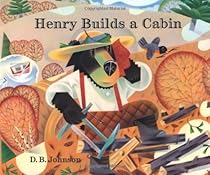
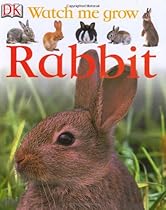
The finger play for today is In a Cabin in the Woods. There are many variations to this song but I shared the version I know!
The song has hand motions for each phrase. Each time you repeat the verse you stop singing the words for one phrase at a time but keep doing the motions. By the end you will "sing" the whole song silently while only using motions.
This activity teaches children listening skills, sequencing, motor skills and timing.
In a cabin in the woods,
Little old man by the window stood.
Saw a rabbit hopping by,
Knocking at his door.
"Help me! Help me! Help me!, he cried.
"Or the hunter will shoot me dead."
Come, o come and stay with me,
Safely, you will be.
Wise Owl Factory has shared a wonderful set of worksheets to go along with "In a Cabin in the Woods". Download the Free In a Cabin in the Woods PDF.


.jpg "Finger Play Fun Day: The Apple Tree")


+(2).jpg "Finger Play Fun Day: Do You Know the Tooth Fairy?")


.jpg "Finger Play Fun Day: Going on a Bear Hunt")


.jpg "Finger Play Fun Day: In a Cabin in the Woods")